Rufen Sie uns an
:
+8618925446207
Schicken Sie uns eine E-Mail
:
marketing@databeyond.com
 English
 Français
 Deutsch
 Español
 日本語
日本語 中文
中文




DataBeyond ermöglicht die Reduzierung und Ressourcennutzung von gemischten Siedlungsabfällen
Abstrakt:
DataBeyond hat ein innovatives, integriertes „Dual-Network Convergence“-System entwickelt, das das Gesamtvolumen der zu entsorgenden gemischten Siedlungsabfälle um 25–35 % reduziert.
1. Aktueller Stand der gemischten Siedlungsabfallbewirtschaftung
Derzeit übersteigt die jährliche Menge an Siedlungsabfällen in China sowohl in städtischen als auch in ländlichen Gebieten eine Million Tonnen. Dennoch ist die „gemischte Sammlung und Entsorgung“ in vielen Regionen weiterhin gängige Praxis.
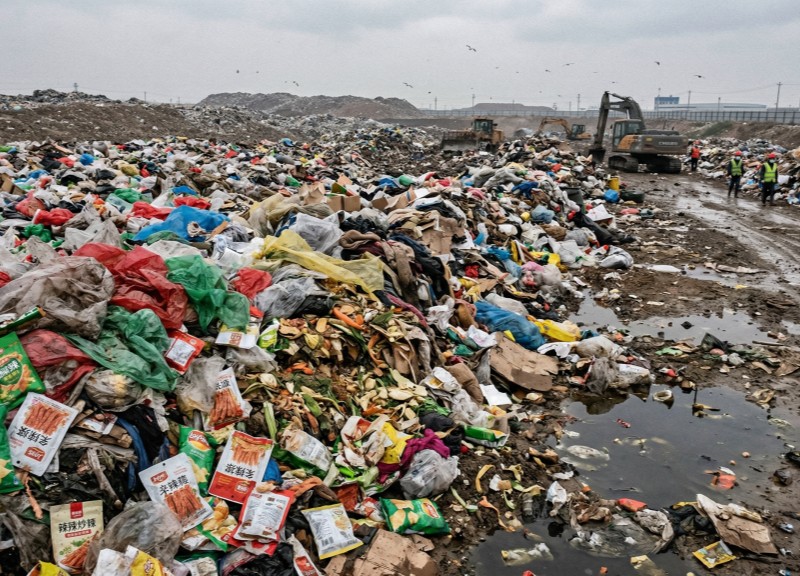
Nach diesem traditionellen Modell werden hochwertige Wertstoffe wie Kunststoff- und Metallabfälle nur teilweise durch informelle Sammeltätigkeiten gewonnen. Gleichzeitig sind über 30 % der minderwertigen Wertstoffe – darunter Kunststofffolien, Textilabfälle und Schaumstoffe – schwer zu sortieren und kostspielig zu reinigen. Daher werden die meisten von ihnen letztendlich verbrannt oder zusammen mit anderem Abfall deponiert.
Dies führt nicht nur zu erheblichen Ressourcenverlusten, sondern auch zu anhaltend hohen Verbrennungsmengen und einem zunehmenden Druck auf die Deponiekapazitäten.
Die komplexe Zusammensetzung von gemischten Siedlungsabfällen hat die traditionelle manuelle Sortierung lange Zeit unter schwierige Arbeitsbedingungen gestellt, die als „schmutzig, unordentlich und ineffizient“ gekennzeichnet sind. Sortiergenauigkeit und -effizienz sind schwer zu gewährleisten, was einen kritischen Engpass darstellt, der die Wertstoffrückgewinnungsraten einschränkt. Dies stellt auch eine große Herausforderung für die Entwicklung von „Zero-Waste-Städten“ und grünen, kohlenstoffarmen Initiativen dar.
2. Politische Unterstützung
Als Antwort auf diese Herausforderungen hat die chinesische Regierung kontinuierlich politische Dokumente wie den „15. Fünfjahresplan für die Klassifizierung und Behandlung von städtischen Siedlungsabfällen“ und die „Leitlinien zur Beschleunigung des Aufbaus eines Abfallrecyclingsystems“ eingeführt.
Diese Richtlinien betonen eindeutig:
● Beschleunigung des Aufbaus eines Abfallrecyclingsystems
● Förderung der engen Integration von Recyclingnetzwerken und kommunalen Abfallentsorgungssystemen
● Verbesserung der Abfallreduzierung, Ressourcennutzung und umweltschonenden Behandlungsmethoden
Die lokalen Regierungen haben zudem Unterstützung bei der Landzuweisung, administrativen Dienstleistungen und der regulatorischen Koordinierung geleistet und damit ein günstiges politisches Umfeld für technologische Innovationen und die Erforschung von Modellen im Bereich der Abfallwirtschaft geschaffen.
3. Das „Dual-Network Convergence“-System von DataBeyond
Als Unternehmen, das sich auf die intelligente Sortierung von Festabfällen spezialisiert hat, hat DataBeyond ein wegweisendes Modell entwickelt, das das Recyclingnetzwerk und das kommunale Abfallentsorgungsnetz integriert.
Dieses System etabliert einen Rahmen für die vollständige Klassifizierung und Verarbeitung von gemischten Siedlungsabfällen, unterstützt durch marktorientierte Mechanismen und digitale Technologien. Es verbindet alle Stufen von der getrennten Abfallsammlung bis zur Endnutzung und fördert so Abfallvermeidung, Rohstoffrückgewinnung und umweltgerechte Behandlung.
4. Systemziele
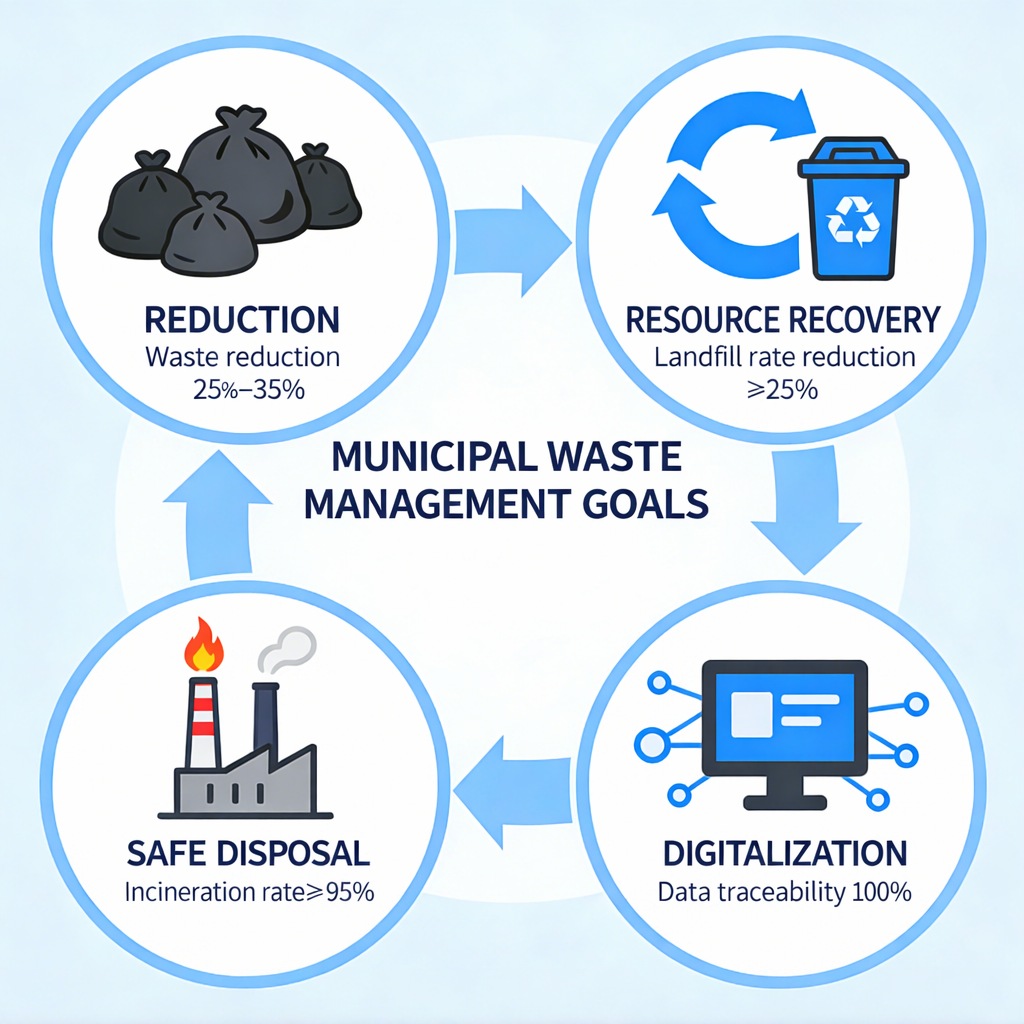
TDas integrierte System setzt klare und messbare Ziele, um eine effektive Umsetzung zu gewährleisten:
Reduktion:
● Reduzierung des Gesamtvolumens an gemischten Siedlungsabfällen, die einer Endlagerung bedürfen, um 25–35 %, wodurch staatliche Subventionen für die Müllverbrennung gesenkt und die Lebensdauer von Deponien verlängert werden. Ressourcennutzung:
● Reduzierung der Verbrennungsrate von minderwertigen Wertstoffen um ≥25%, wodurch durch verfeinerte Sortierung und Umwandlung von Abfällen in hochwertige Recyclingrohstoffe eine „hochwertige Verwertung von minderwertigen Materialien“ ermöglicht wird.
Unschädliche Behandlung:
● Erreichen einer Verbrennungsrate von ≥95 % für Restabfälle, um eine sichere, stabile und effiziente Umwandlung in saubere Energie zu gewährleisten. Digitalisierung:
Erreichen Sie eine hundertprozentige Rückverfolgbarkeit der Transaktionsdaten, indem Sie eine vollständige Datenkette für das vorgelagerte Recycling und die nachgelagerte Verarbeitung bereitstellen, die Einhaltung der Vorschriften bei der Rückrechnung sicherstellen und ein vertrauenswürdiges Ökosystem der Kreislaufwirtschaft aufbauen.
5. Technische Wege und Kernausrüstung
Um den unterschiedlichen Eigenschaften von hochwertigen und minderwertigen Wertstoffen im gemischten Siedlungsabfall gerecht zu werden, verfolgt DataBeyond differenzierte technische Ansätze.
(1) Verfeinerte Sortierung von hochwertigen Wertstoffen
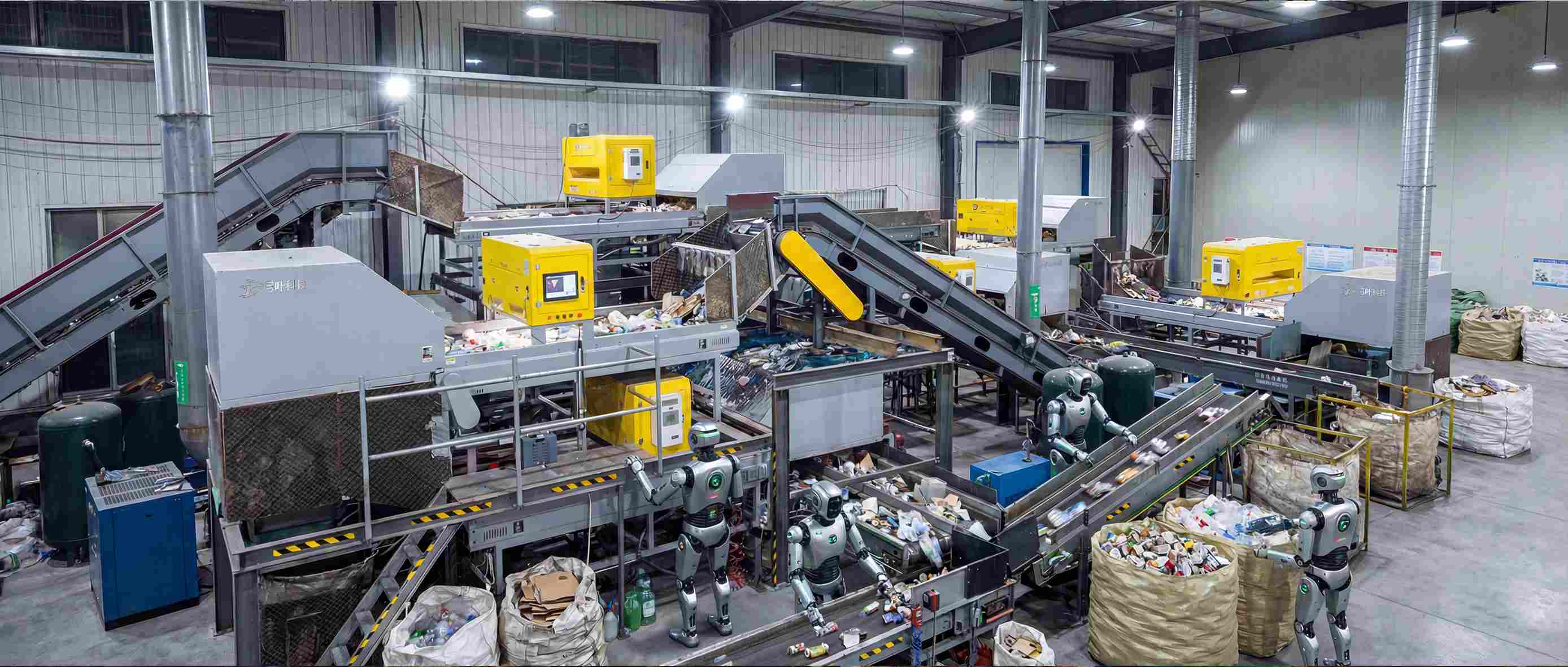
Durch fünf Bereitstellungsmodelle – darunter mobile Sammeleinheiten, die Revitalisierung brachliegender öffentlicher Räume, die Nutzung von Umschlagstationen, die Modernisierung von kommunalen Abfallsortierräumen und standardisierte Recyclingstationen – erreicht DataBeyond eine vollständige Abdeckung der Recycling-Sammelstellen.
Es werden regionale, automatisierte Grüngutsortierzentren (5.000–10.000 m²) eingerichtet, die mit Folgendem ausgestattet sind:
● Optische KI-Sortierer
● Verkörperte intelligente Roboter
● KI-gestützte Fabrikmanagementsysteme
Durch den Einsatz von KI und Multisensorfusionstechnologie werden hochwertige Recyclingmaterialien präzise nach Farbe und Material sortiert, was die Produktqualität und den Wert deutlich verbessert und gleichzeitig eine stabile Versorgung nachgelagerter Industrien wie Papierfabriken, Metallhütten, Chemiefaserwerke und Pelletieranlagen ermöglicht.
(2) Reduzierung und Ressourcennutzung von minderwertigen Wertstoffen
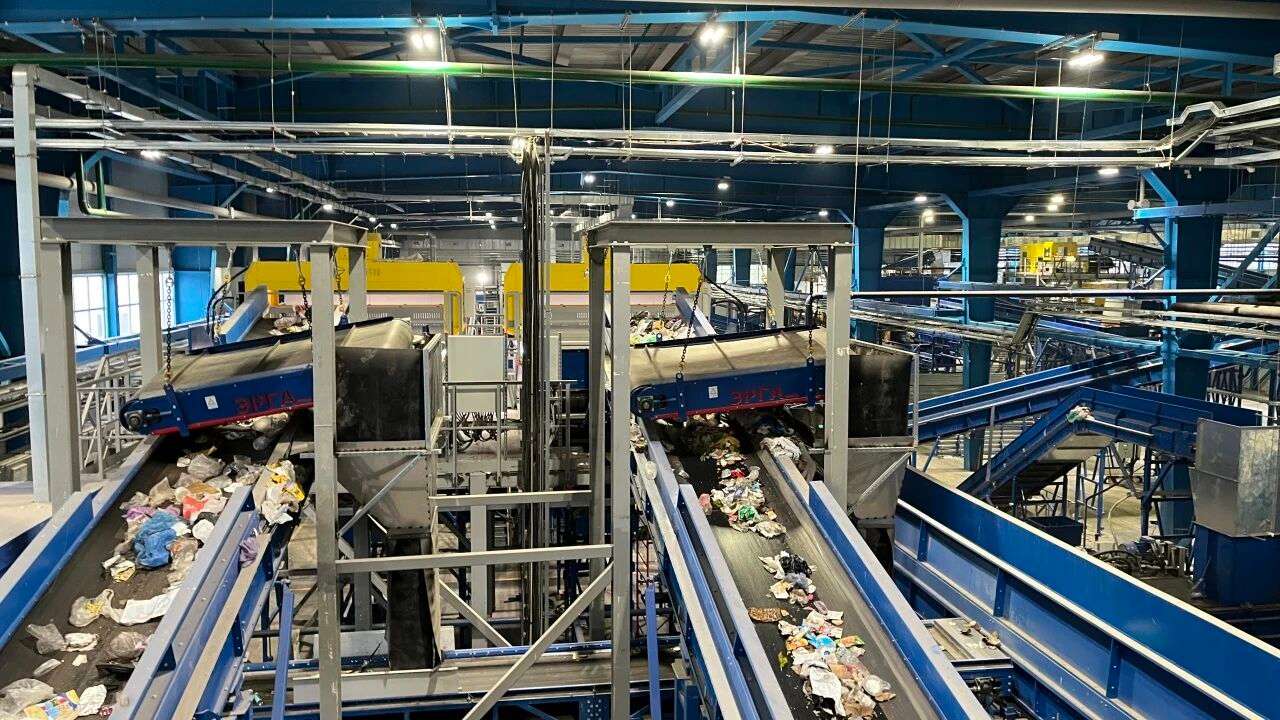
Bestehende Umschlagstationen für Siedlungsabfälle werden zu Anlagen mit Doppelfunktion ausgebaut, die Abfallvermeidung und Wertstoffrückgewinnung kombinieren.
Durch integrierte Prozesse, einschließlich:
● Taschenzerstörung
● Screening
● Entwässerung
● Kompression
Eine Reduzierung des Siedlungsabfalls um 25–35 % wird erreicht.
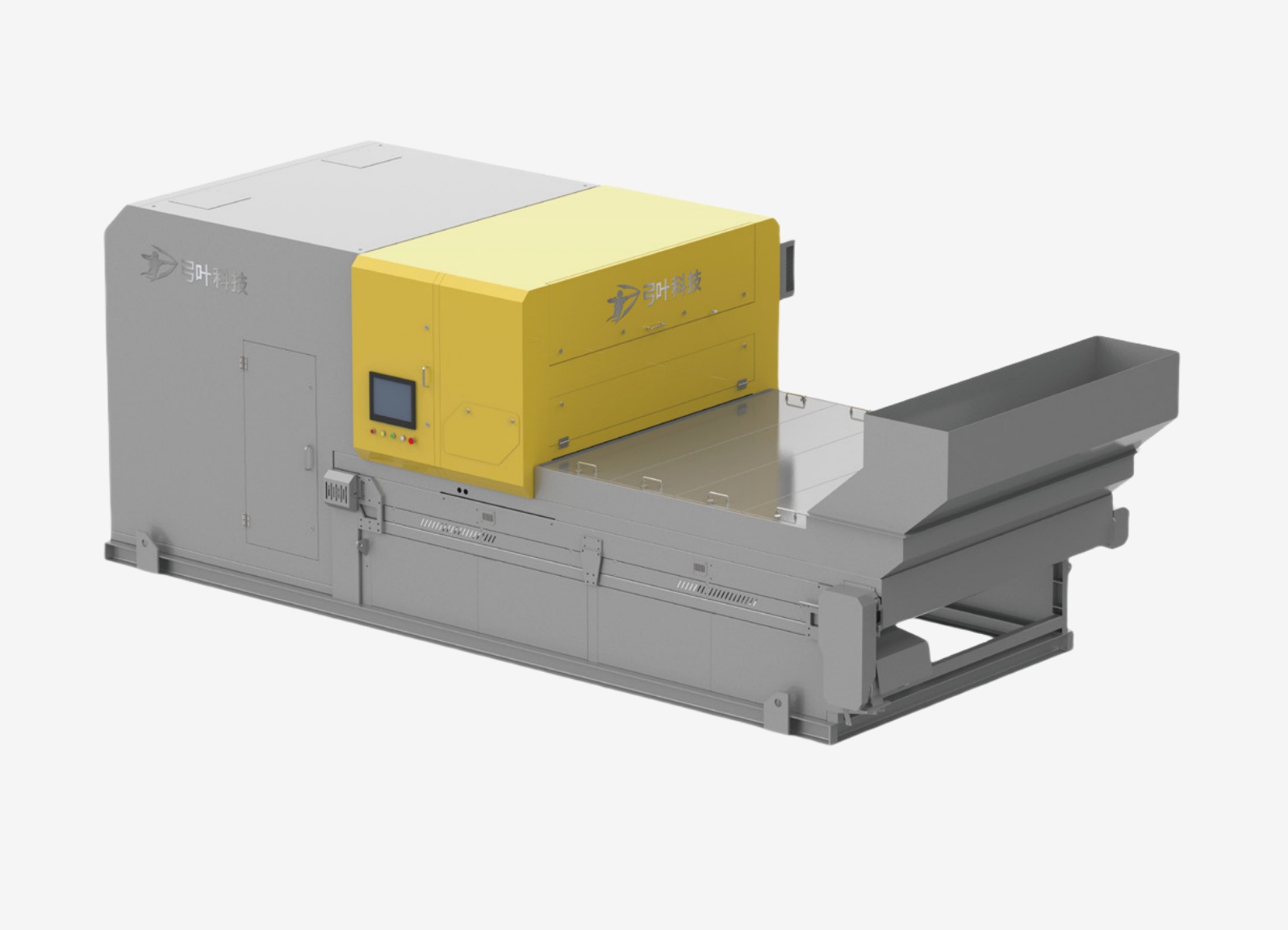
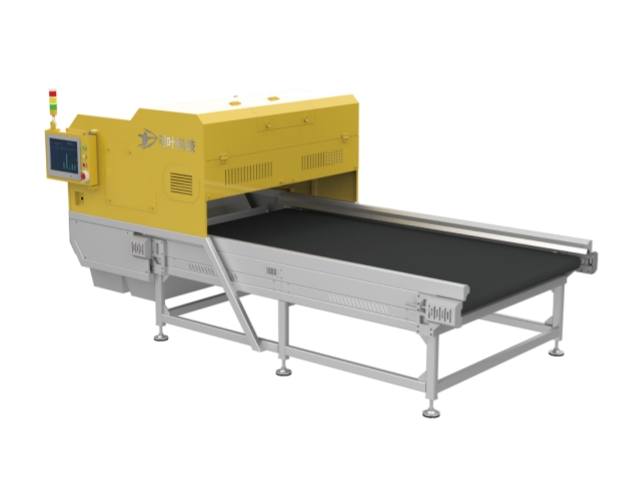
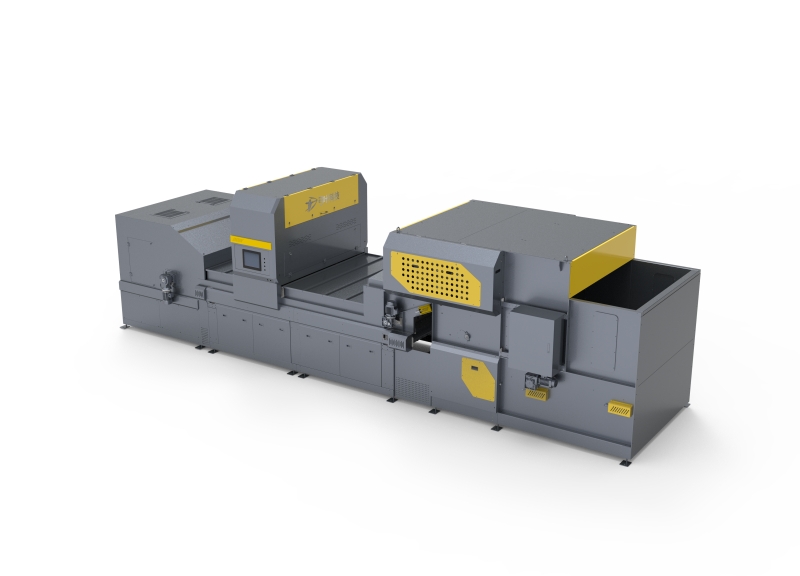
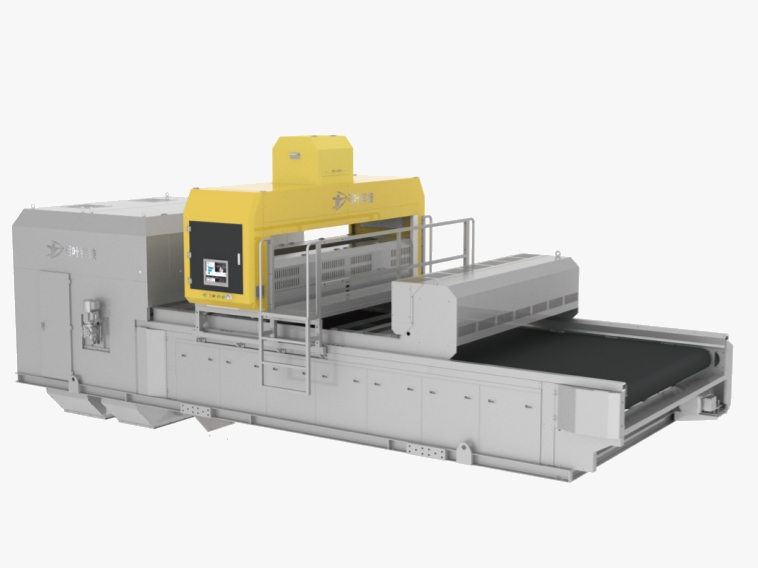
Gleichzeitig extrahiert die intelligente Sortieranlage von DataBeyond mit hoher Präzision minderwertige Wertstoffe.
Diese Materialien werden zu speziellen automatisierten Sortierzentren für umweltfreundliche Materialien transportiert, wo KI-gestützte hyperspektrale Sortiertechnologie eingesetzt wird, um Materialien wie Kunststofffolien, Papier, Textilien und Schaumstoffe zu verfeinern und zu reinigen.
Die hochreinen Produkte können dann als recycelte Rohstoffe für die Pelletierung, Pyrolyse oder das Formen verwendet werden – wodurch eine echte „wertvolle Verwertung von minderwertigen Materialien“ erreicht und Ressourcenverschwendung durch direkte Verbrennung vermieden wird.
6. Ausgewählte Projektfälle
Die Lösung von DataBeyond zur Reduzierung und Ressourcennutzung von gemischten Siedlungsabfällen wurde in mehreren Regionen implementiert, darunter:
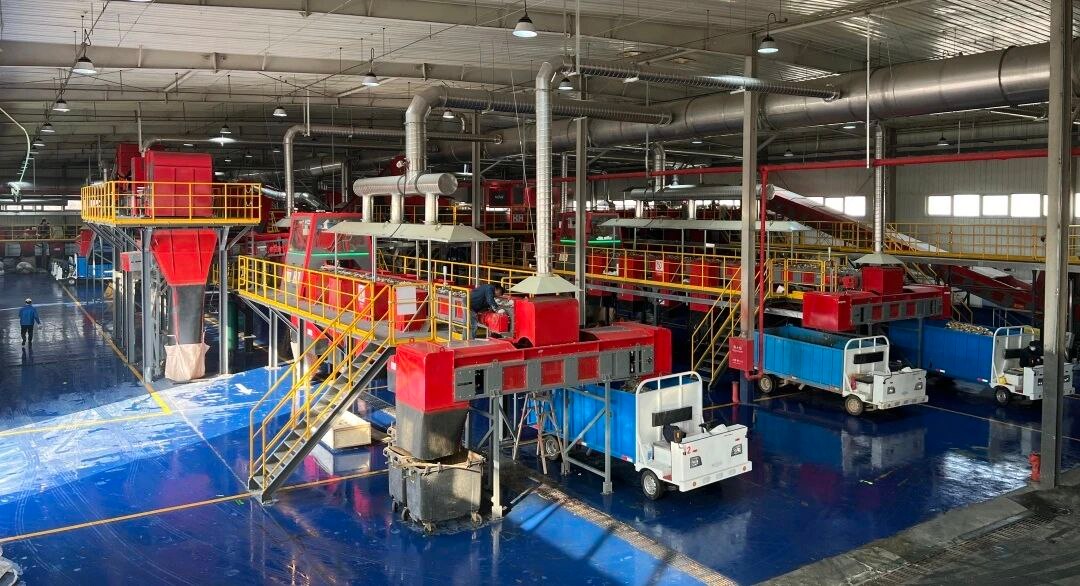
Peking, China
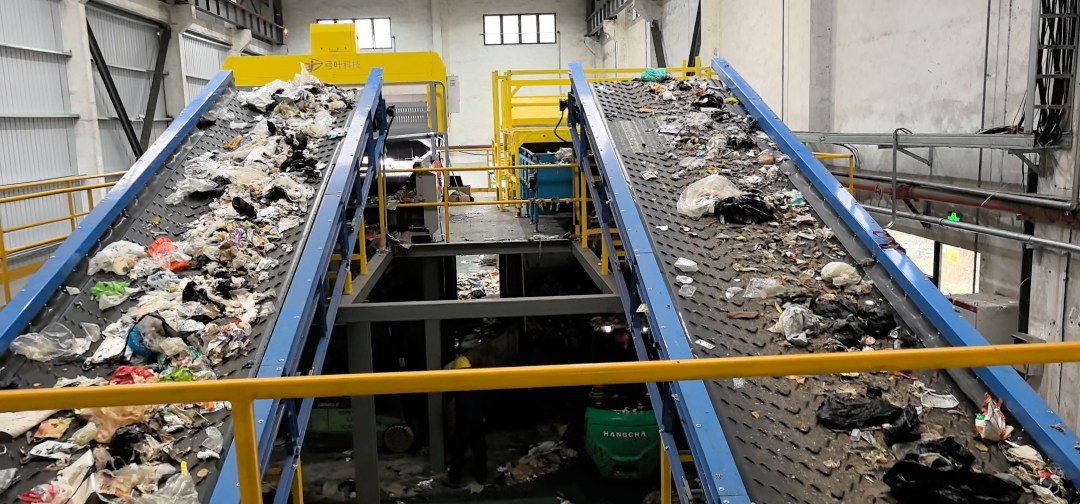
Hangzhou, China (100 t/Tag)
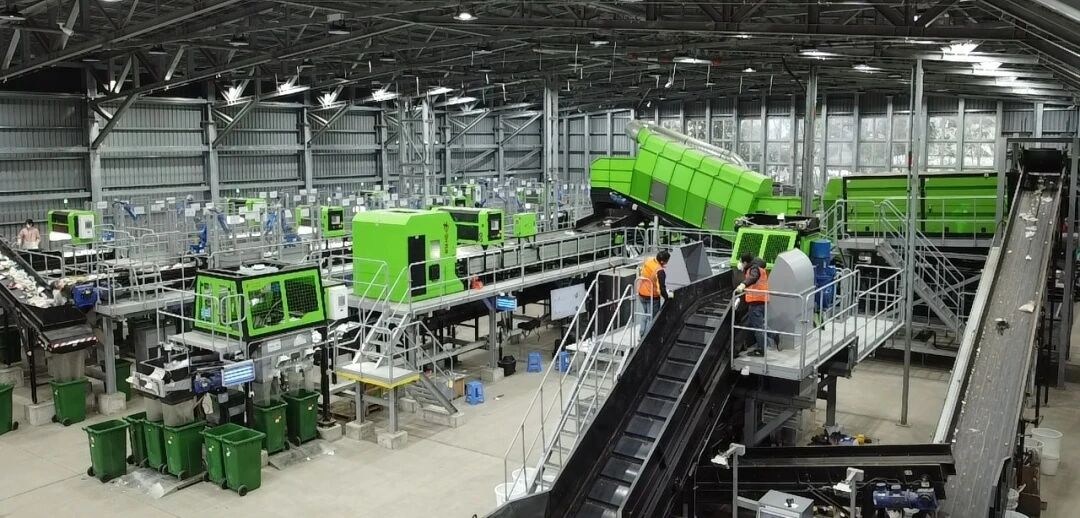
Hongkong, China
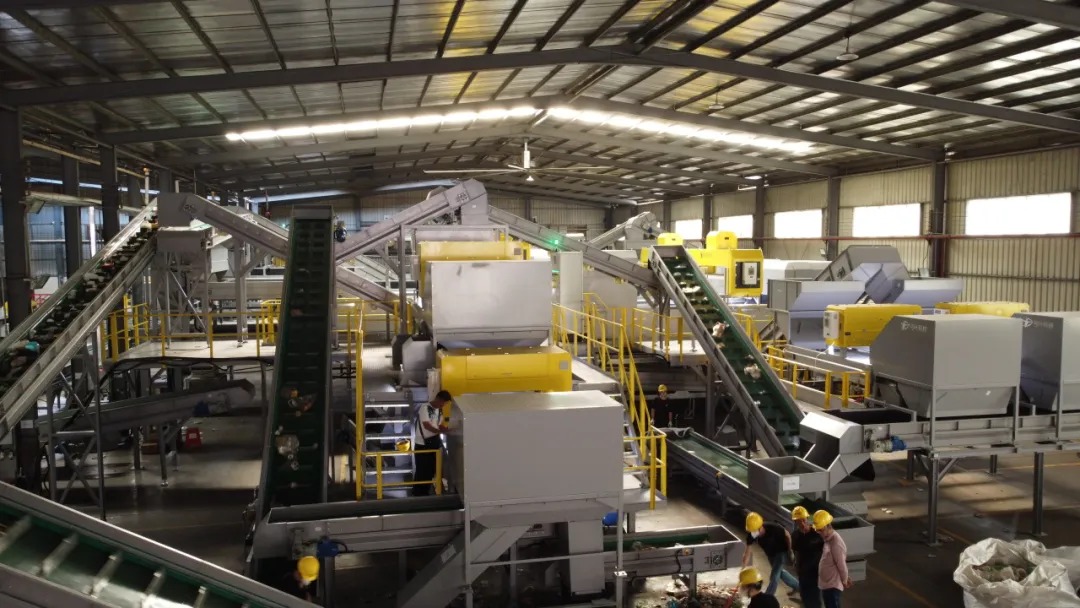
Taiwan, China (100 t/Tag)
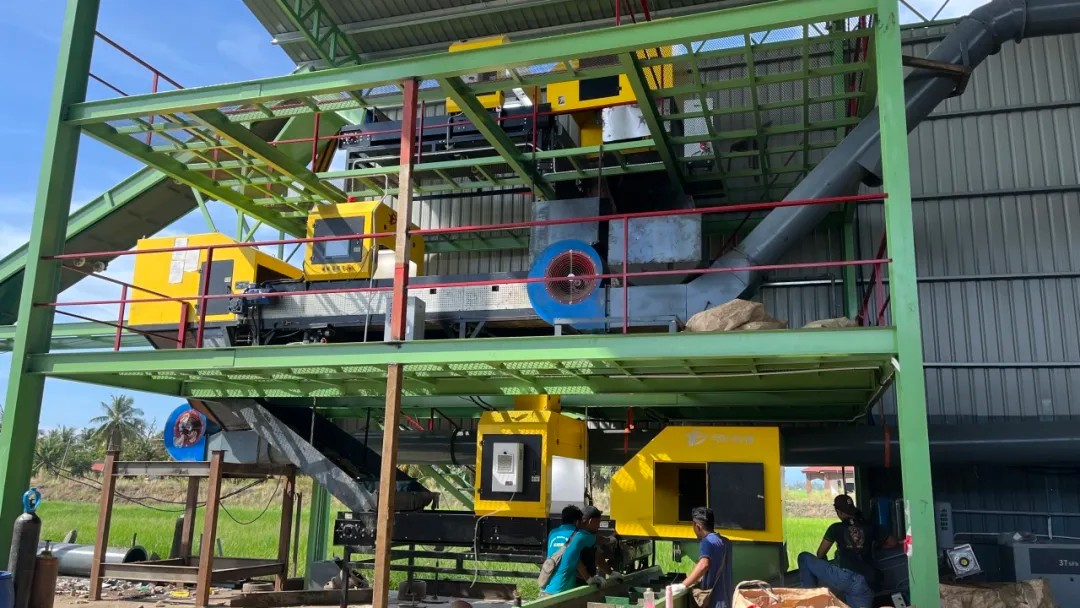
Malaysia (100 Tonnen pro Tag)
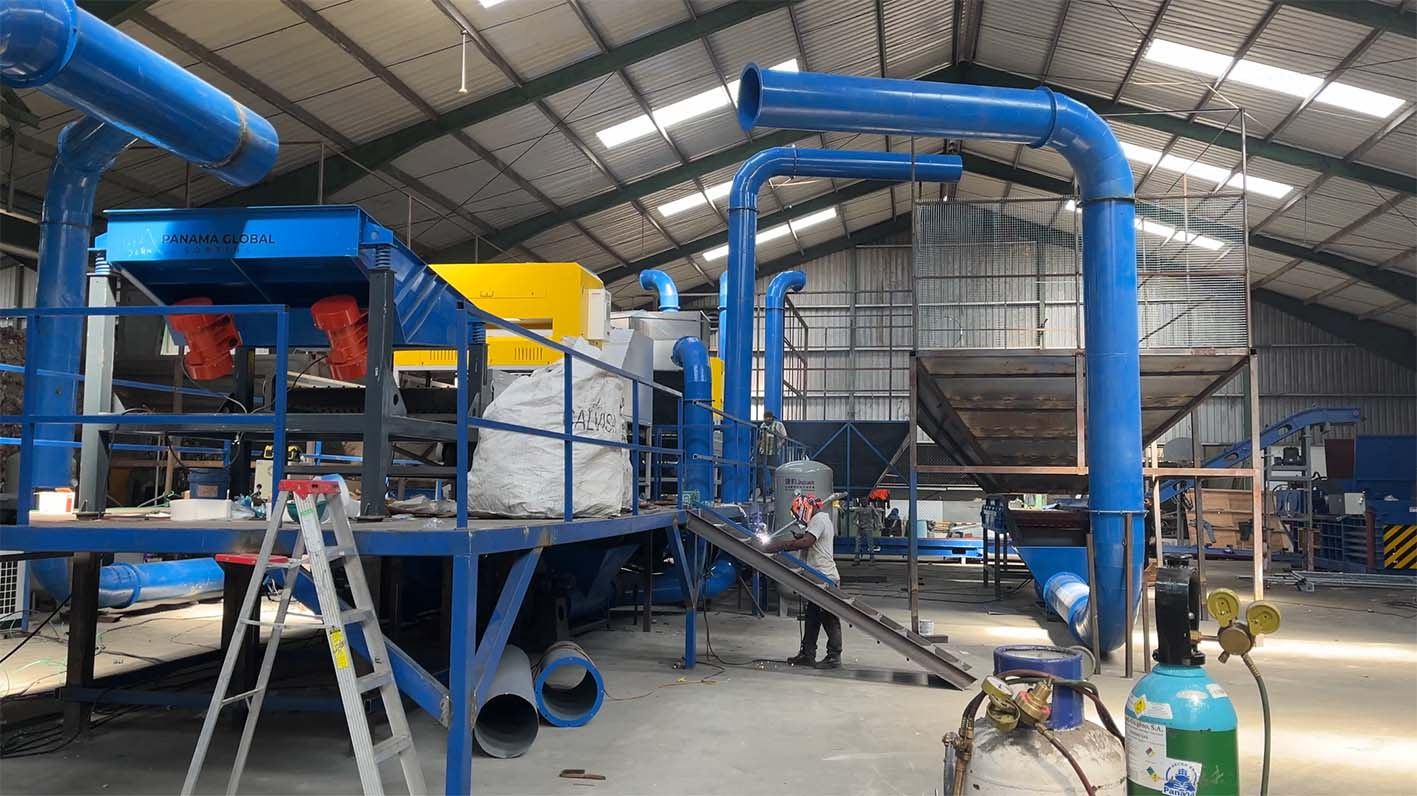
Indien (300 Tonnen pro Tag)
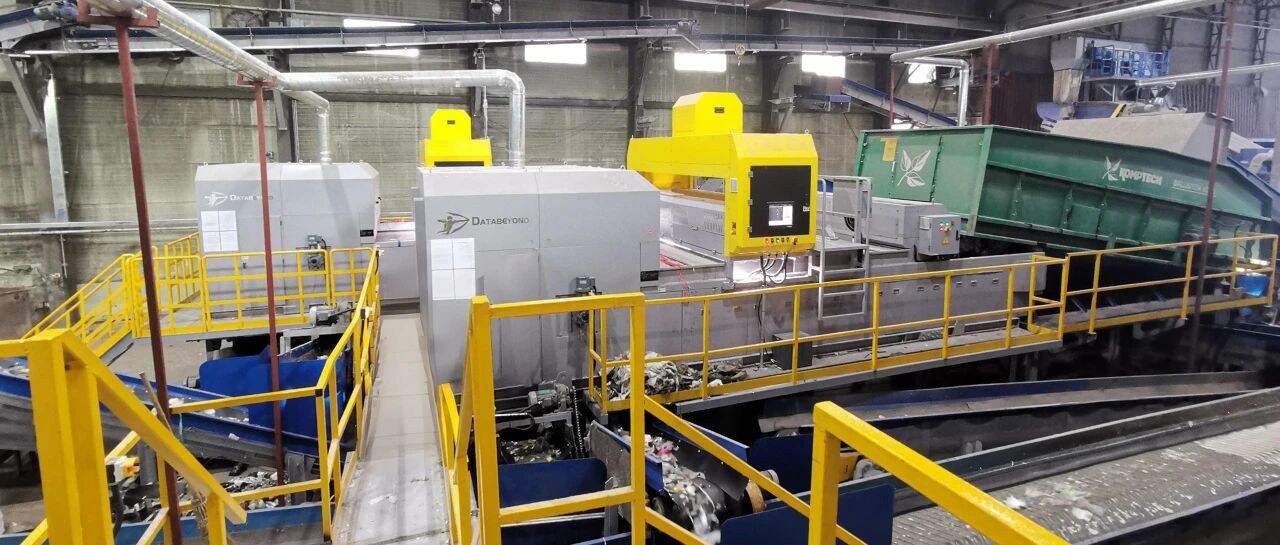
Südkorea (200 Tonnen pro Tag)
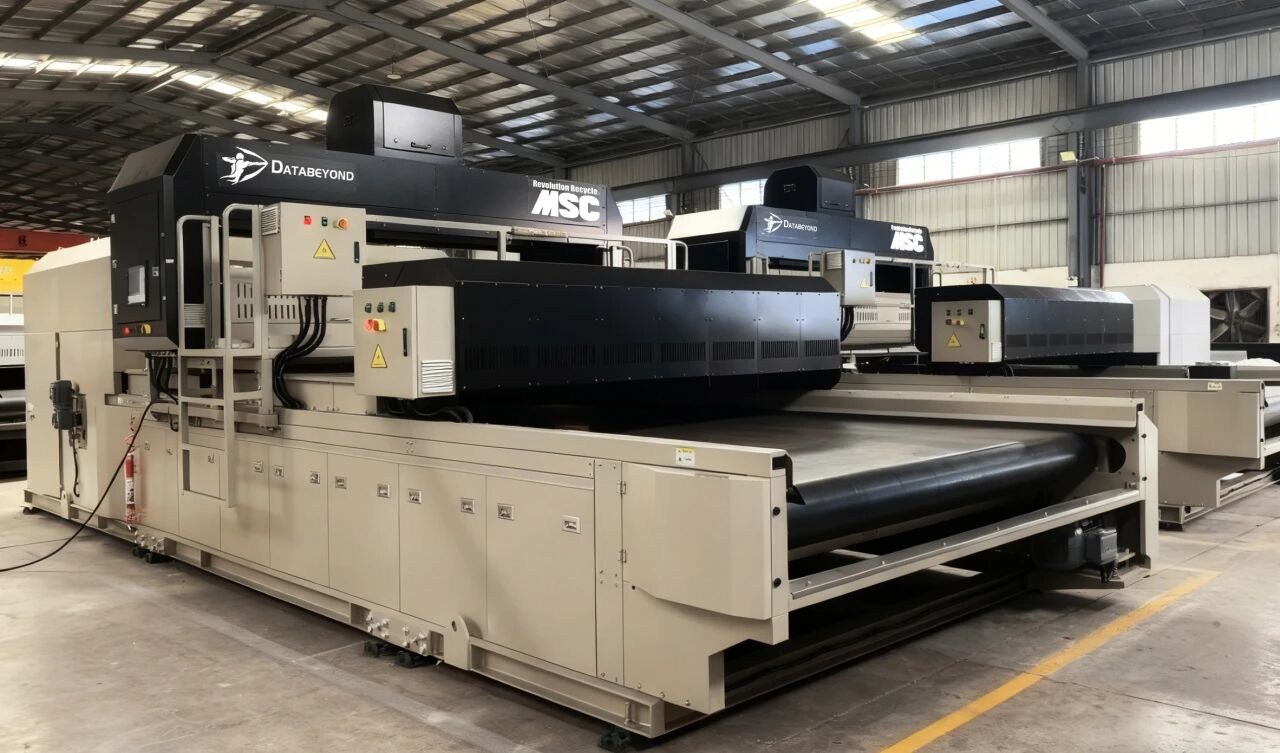
Japan (300 Tonnen pro Tag)
Diese Projekte haben ihre Anpassungsfähigkeit an verschiedene Abfallmanagement-Szenarien unter Beweis gestellt und bemerkenswerte umfassende Vorteile erzielt.
7. Innovationsförderung im globalen Abfallmanagement
Mit Blick auf die Zukunft wird sich DataBeyond weiterhin auf die Reduzierung und Ressourcennutzung von gemischten Siedlungsabfällen konzentrieren und dabei auf digitale Plattformen und intelligente Sortiertechnologien aufbauen.
Das Unternehmen hat sich zum Ziel gesetzt, ein umfassendes Abfallrecyclingsystem weiter zu verbessern, das städtische und ländliche Gebiete, alle Abfallkategorien und die gesamte Verarbeitungskette abdeckt.
DataBeyond wird seine bewährten Lösungen auch weltweit ausweiten, praktische Erfahrungen teilen und innovative Impulse für die Entwicklung der Kreislaufwirtschaft liefern – und so sicherstellen, dass die Technologie jede Herausforderung im Abfallmanagement effektiv angeht.
 IPv6 NETZWERK UNTERSTÜTZT
Eine Nachricht hinterlassen
Scannen zu Wechat :
Scannen zu WhatsApp :