Rufen Sie uns an
:
+8618925446207
Schicken Sie uns eine E-Mail
:
marketing@databeyond.com
 English
 Français
 Deutsch
 Español
 日本語
日本語 中文
中文




From Mixed Waste Film to High-Value Recycled Feedstock: How Intelligent Optical Sorting Is Reshaping Plastic Film Recycling
As the global circular economy for plastics continues to evolve, the recycling industry is shifting its focus from simply recovering more material to producing higher-quality recycled feedstock.
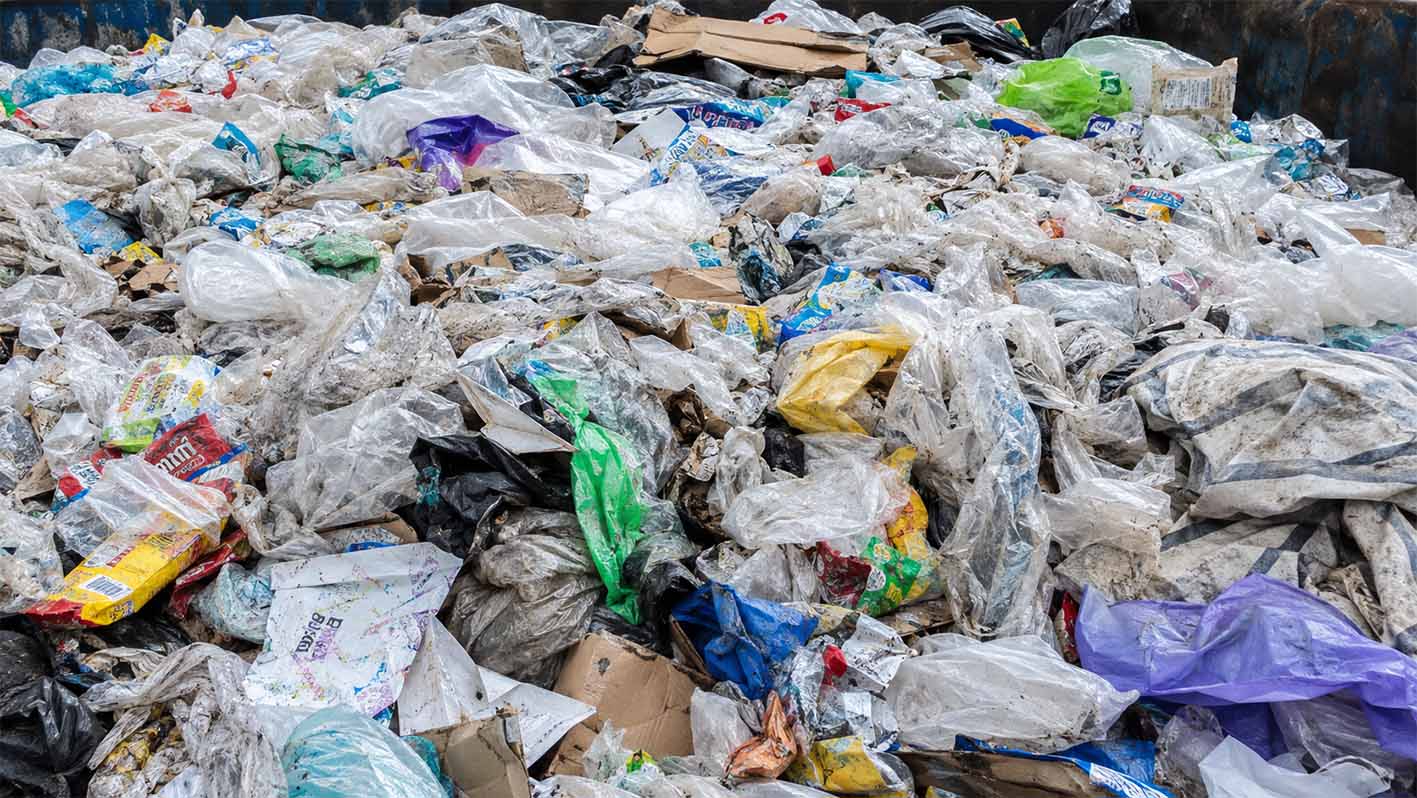
Compared with rigid plastics such as PET bottles and HDPE containers, plastic films are lightweight and flexible. They can easily become tangled, overlap, drift or float during conveying and sorting. Mixed film waste also varies widely in color, polymer composition and print coverage, often with paper, textiles, labels and other contaminants present in the material stream.
Recovering valuable polymers consistently from this complex mixture has therefore become essential for recyclers seeking to improve feedstock purity, expand downstream applications and increase the value of their finished products.
Why Is Mixed Waste Film So Difficult to Sort?
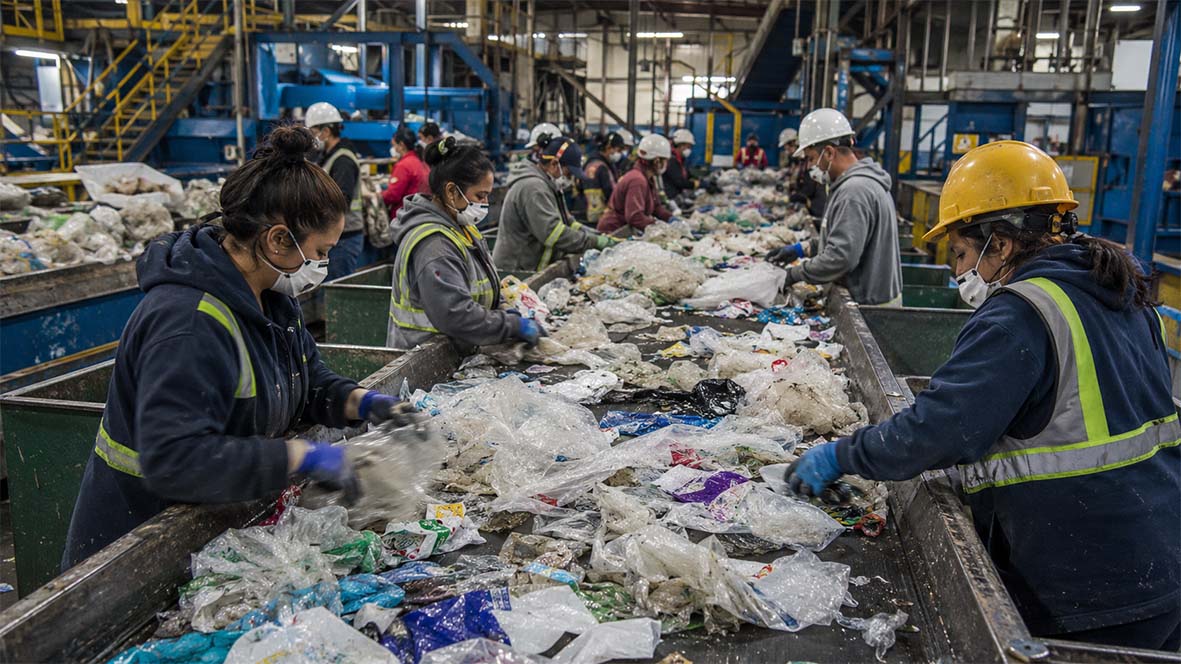
Waste films generated by the packaging, logistics, agricultural and commercial sectors often contain a combination of clear, white, colored and printed films made from different polymers. They may also be contaminated with paper, textiles, labels and other non-plastic materials.
Manual sorting is labor-intensive, limited in throughput and highly dependent on workers’ experience and consistency. Conventional mechanical equipment can remove some contaminants and separate materials by size or physical characteristics, but it may struggle to distinguish films that look alike while being made from different polymers.
The physical behavior of film creates an additional challenge. Lightweight materials can drift, overlap or become unstable when moving at high speed. This places greater demands on every stage of the sorting process, including material feeding, distribution, detection, air ejection and collection.
If any of these stages is unstable, both throughput and output purity may be affected.
Enabling the System to Truly “Understand” Film
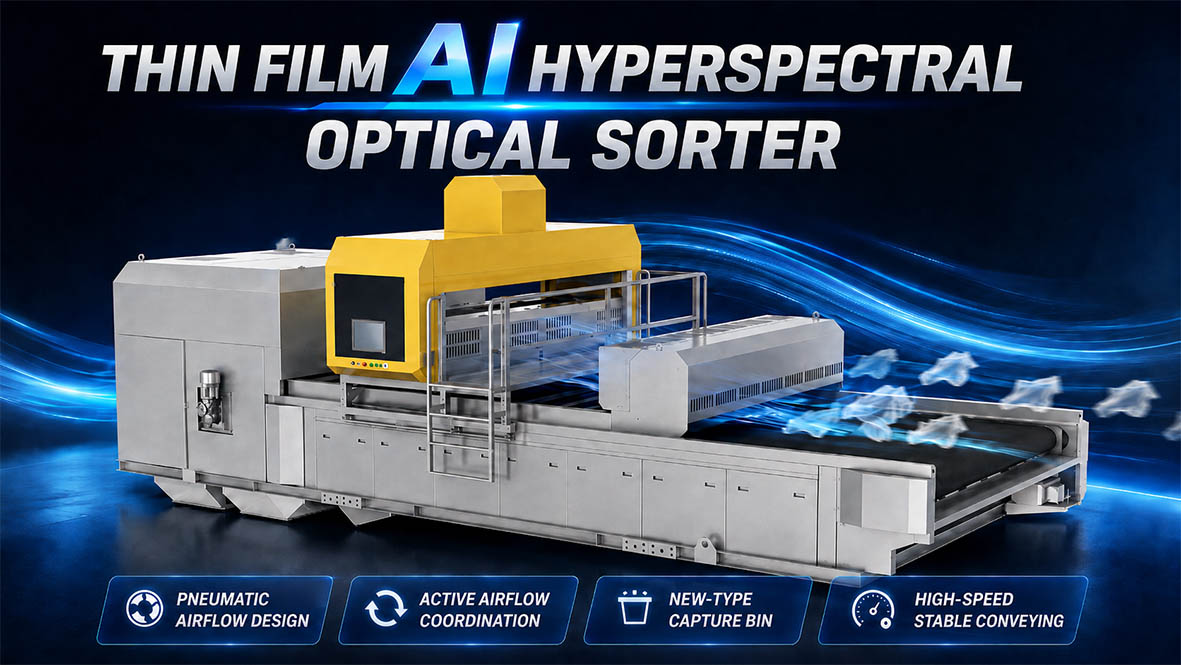
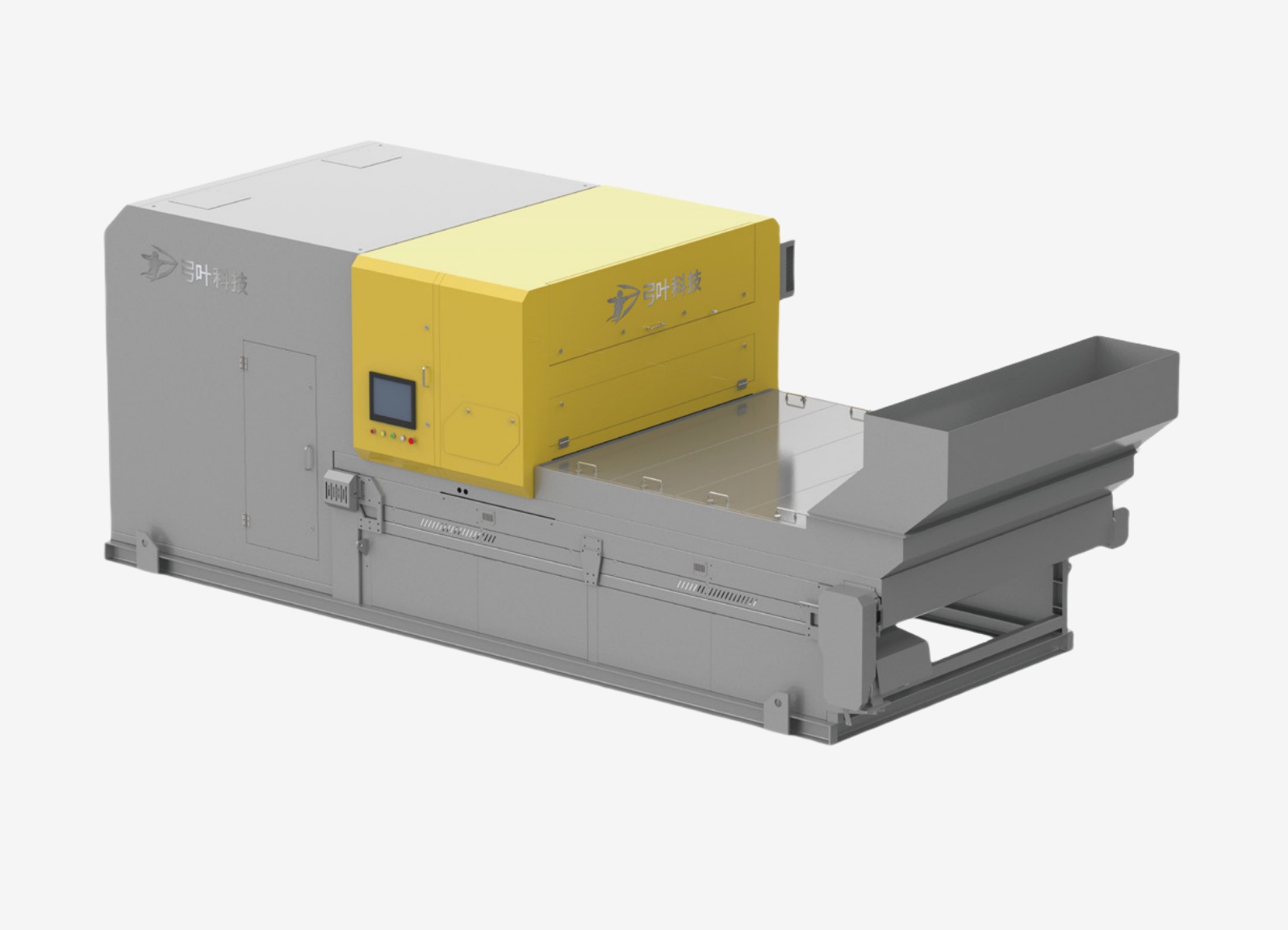
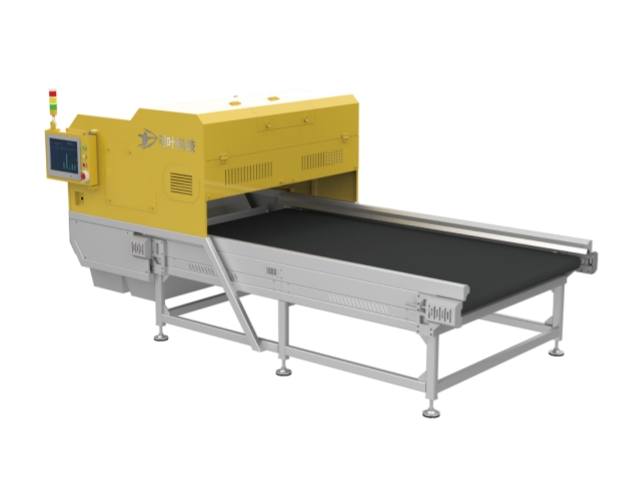
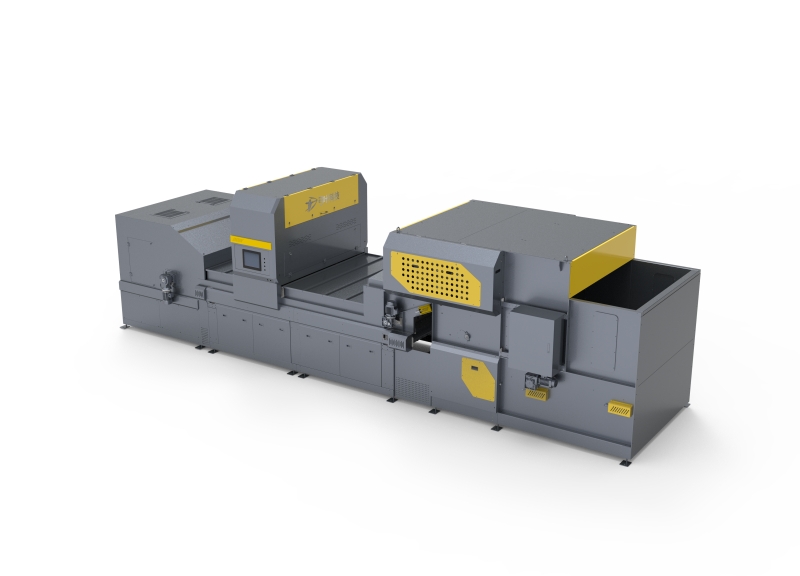
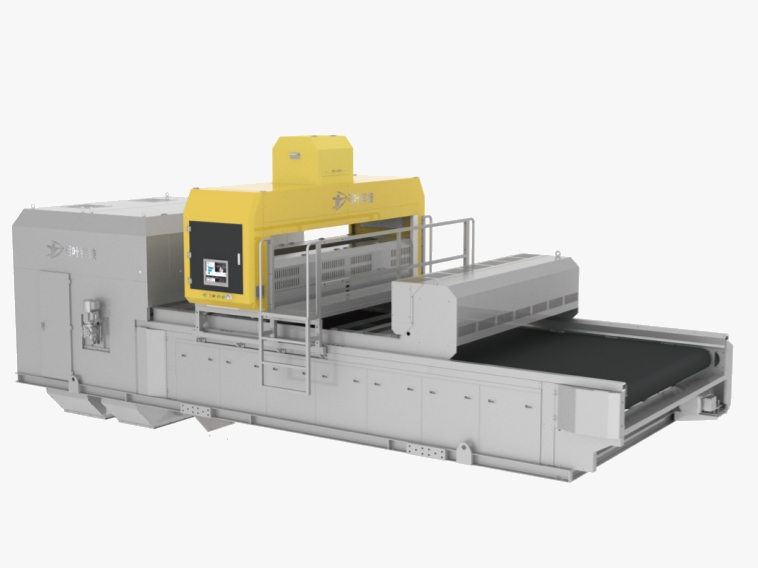
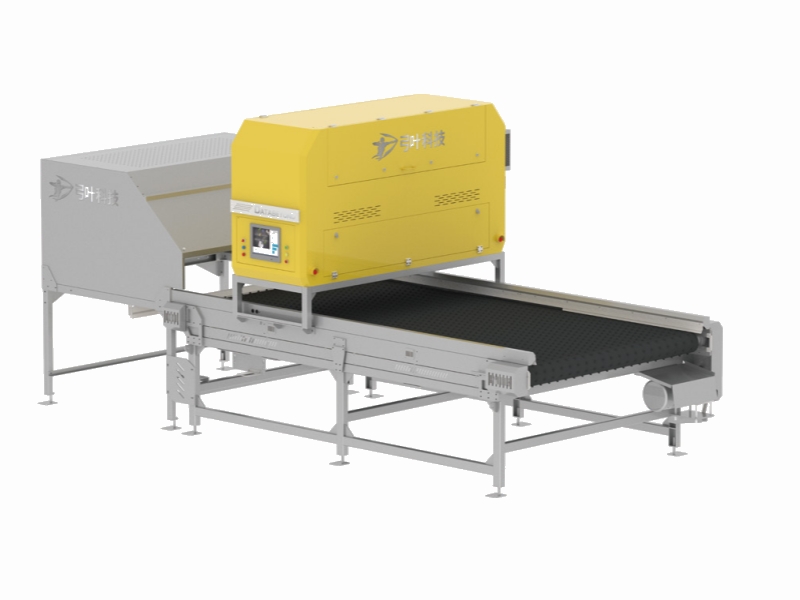
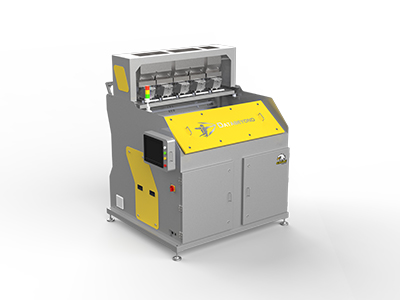
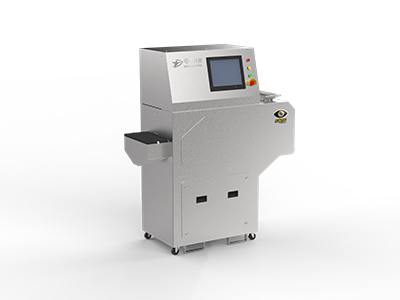
To address the recognition and handling challenges of film waste, DATABEYOND developed the FASTSORT-FILM-AI-SPEC AI Hyperspectral Optical Sorter for Film.
The system combines AI-powered visual recognition, hyperspectral sensing, intelligent algorithms and aerodynamic engineering to identify and sort films by color, polymer type and contaminant category.
It can be configured for several key sorting tasks:
Color sorting: Identifying clear, white and colored films;
Polymer sorting: Recovering target polymers such as PE and PP while removing non-target materials such as PVC and PET;
Contaminant removal: Detecting and ejecting paper, textiles and other impurities to improve downstream feedstock purity.
The AI vision system analyzes visible characteristics such as color, shape and appearance. Hyperspectral sensing identifies polymers through their distinctive spectral signatures.
This combination enables the sorter to distinguish between films that may look nearly identical but are made from different materials, providing a more precise solution to the challenge of separating visually similar yet chemically different plastics.
Engineered Specifically for Lightweight Film
Accurate recognition alone is not enough. Effective film sorting also requires stable conveying, precise ejection and controlled material collection.
FASTSORT-FILM-AI-SPEC features an aerodynamic design developed specifically for lightweight materials. Active airflow works in coordination with the high-speed conveyor belt to distribute films more evenly and maintain a stable material flow, reducing flotation, displacement and overlap before detection.
An optimized collection chamber is designed around the flight behavior of lightweight film after ejection. By reducing turbulence and uncontrolled drift, it helps minimize cross-contamination between different output streams and improves the stability of the ejection and collection process.
From reliable detection and targeted air ejection to controlled material collection, each stage works together to support consistent sorting performance and higher output purity.
Where Can Sorted Film Go Next?
Once films have been separated by material and quality, they can be directed to the recycling route best suited to their characteristics.
High-Quality PE and PP Film: Mechanical Recycling and Pelletizing
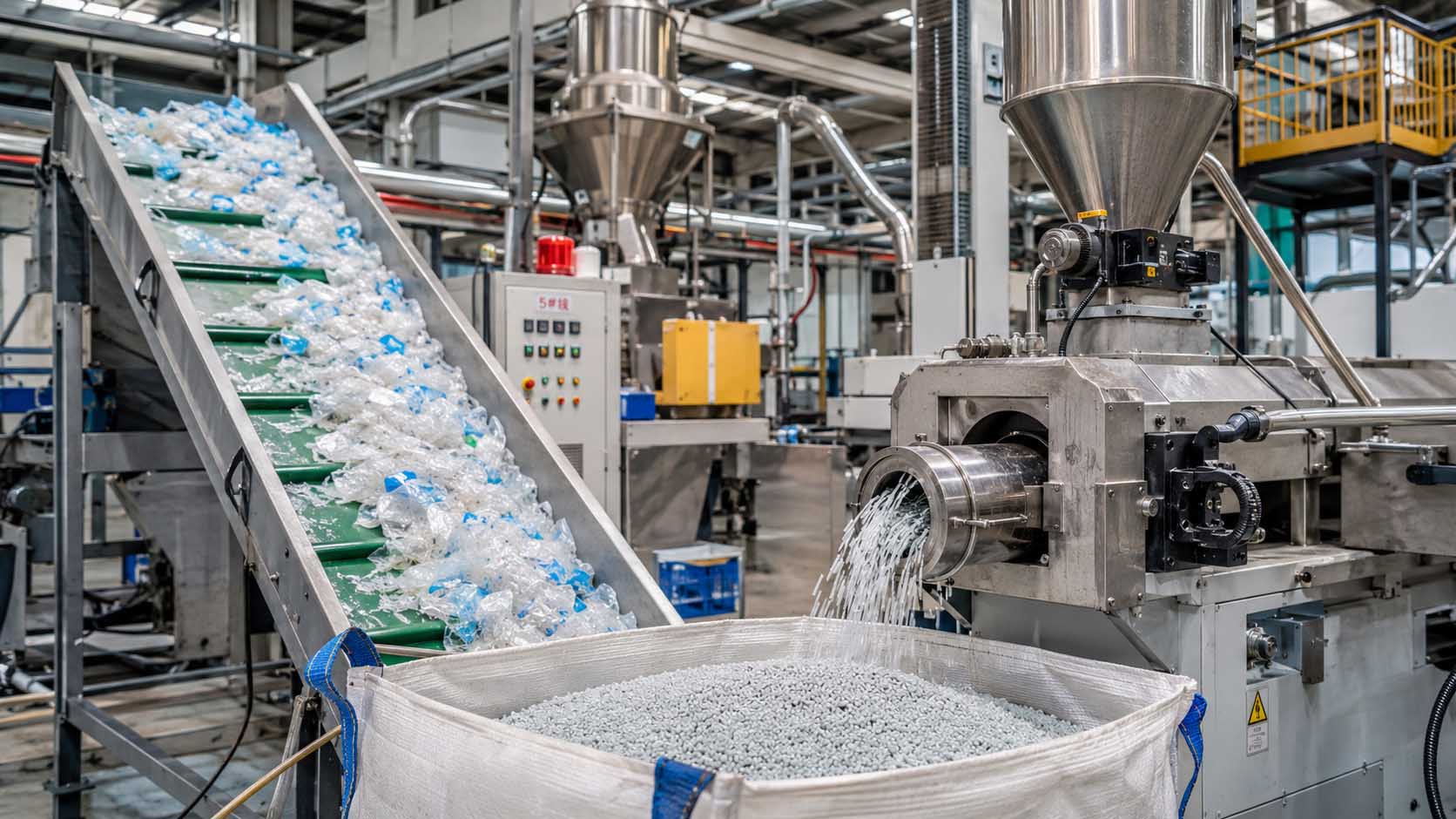
High-quality PE and PP film fractions can be shredded, washed, dried and pelletized to produce recycled resins such as rPE, rLDPE and rPP.
Depending on their quality and performance, these recycled materials can be used in products such as packaging bags, refuse sacks, logistics films, panels, pallets and injection-molded components.
In this way, mixed low-value film waste can be converted into cleaner recycled feedstock with broader market potential.
Other Suitable Fractions: Chemical Recycling Routes
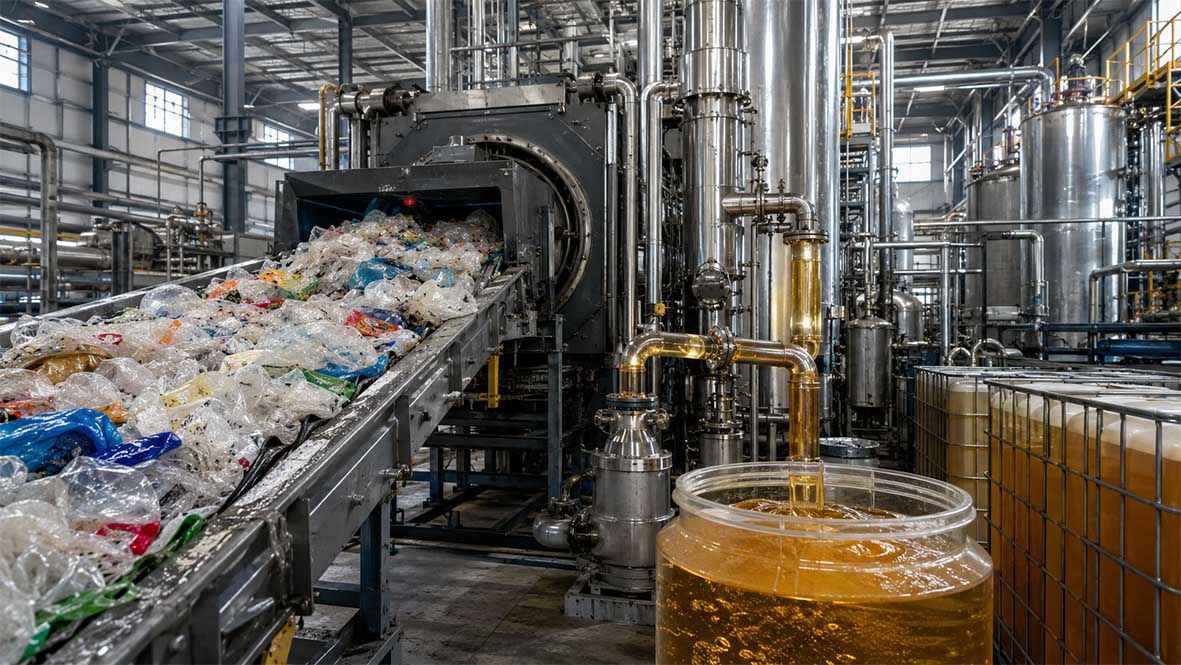
Film fractions that are unsuitable for high-quality mechanical recycling may be considered for chemical recycling processes such as pyrolysis, depending on their composition and the requirements of the downstream facility.
Front-end sorting can increase the proportion of target polymers while reducing contaminants such as PVC, PET, paper and textiles. This creates a more consistent feedstock and can help improve the stability of downstream processing.
The appropriate recovery route should always be determined according to feedstock composition, process requirements, final product specifications and local regulations.
Helping Every Material Reach the Right Next Destination
The future of plastic recycling is not only about recovering more waste. It is about identifying materials accurately, separating them intelligently and directing each fraction to the most appropriate recovery route.
By combining AI vision, hyperspectral sensing, intelligent algorithms and aerodynamic engineering, DATABEYOND makes complex plastic waste easier to identify, separate and reuse—providing recyclers worldwide with more efficient, stable and intelligent sorting solutions.
From mixed waste film to high-value recycled feedstock, intelligent sorting is creating new possibilities for plastic film circularity.
 IPv6 NETZWERK UNTERSTÜTZT
Eine Nachricht hinterlassen
Scannen zu Wechat :

Scannen zu WhatsApp :